

Bob was eighteen, quiet, and talented.
He studied at a college known for its drama theatre, where he played the violin with precision and passion. Music was his refuge.
What most people didn’t know was that Bob was also trained in fencing.
He never talked about it. He never showed it.
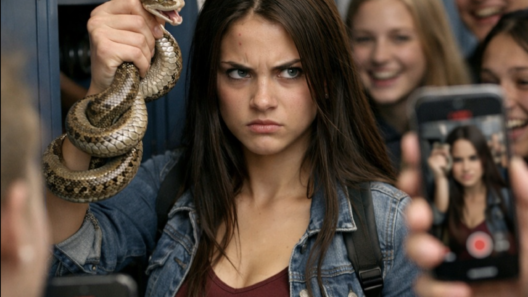
One afternoon, in the college hall, a group of classmates surrounded him.
“Play something for us,” one of them sneered.
Before Bob could react, they grabbed his violin. They tossed it between themselves, laughing as he reached for it.
“Give it back,” Bob said quietly.
They didn’t listen.
One of them raised the violin high—and slammed it onto the floor.
The crack echoed through the hall.
Laughter erupted.
Bob stood frozen, staring at the broken instrument at his feet.
Then he bent down and picked up the bow.
The laughter faded.
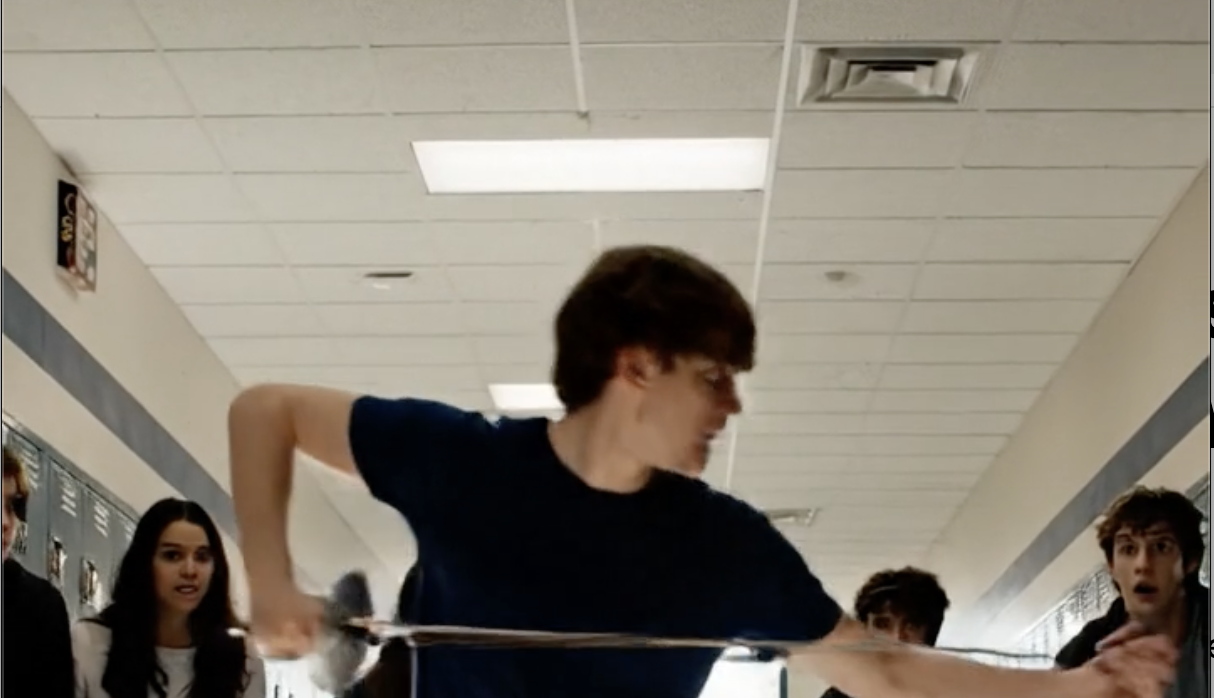
Bob straightened his back. His grip was firm. His stance—suddenly precise.
He moved.
Not wildly. Not blindly.
Like a fencer.
The bow struck with speed and control—sharp, deliberate movements that sent his attackers stumbling back. One fell. Another dropped to the floor, clutching his arm.
Silence filled the hall.
Students stared in shock.
The quiet violinist stood alone, breathing steadily, bow still raised.
No one laughed anymore.