



Emma wiped down tables at Joe’s Diner, her worn uniform stained with coffee and grease.
“Can you move any SLOWER?” a businessman snapped. “I’ve been waiting ten minutes for a refill!”
“I’m sorry, sir. We’re short-staffed today—”
“I don’t care about your excuses! Do your job!”
Other customers stared. Some looked sympathetic. Others annoyed.
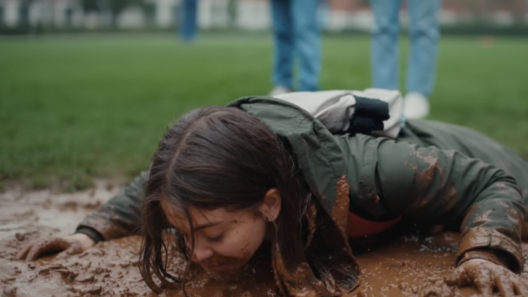
Emma’s hands trembled as she poured his coffee. She was exhausted. Dark circles under her eyes. Hair pulled into a messy bun. Shoes with holes she’d tried to cover with duct tape.
People noticed. They whispered.
“She looks homeless.”
“Why doesn’t she take care of herself?”
“Probably can’t do better than waitressing.”
What they didn’t know was that Emma worked the morning shift at the diner, then went home to a tiny apartment filled with computers, circuit boards, and engineering textbooks.
For two years, she’d been building something revolutionary—a lightweight propulsion system for deep space exploration.
She’d submitted her prototype designs to NASA’s open innovation challenge six months ago.
Then heard nothing.
So she kept working. Kept waitressing to pay rent. Kept building at night.
That Tuesday afternoon, a woman in her fifties walked in with coffee stains on her apron—the usual lunch rush crowd.
“Table four needs their check!” her manager barked.
Emma hurried over. The customer—a middle-aged man in an expensive suit—looked her up and down with disgust.
“This is what passes for service here?” He gestured at her shabby uniform. “You look like you crawled out of a dumpster.”
Emma’s eyes stung. “I’m sorry. Here’s your check—”
“And you’re slow! I’ve been waiting twenty minutes for a simple sandwich!”
“The kitchen is backed up, sir. I apologize—”
“Backed up? Or maybe you’re just incompetent?” He stood, raising his voice. “This is pathetic! Look at yourself! You can’t even dress properly! How do you expect to—”
“Excuse me.” A calm, authoritative voice cut through the diner.
Three people in business suits had entered. Two men and a woman, all carrying NASA badges.
The lead woman—Dr. Sarah Chen—looked directly at Emma.
“Emma Rodriguez?”
Emma froze. “Yes?”
“We’re from NASA’s Advanced Propulsion Division.” Dr. Chen walked toward her, ignoring the rude customer entirely. “We’ve been trying to reach you. Your phone number was disconnected.”
Emma’s face went red. She’d had to cancel her phone plan last month to afford rent.
“I… I’m working. Can this wait—”
“We need to talk to you about your ion propulsion prototype,” Dr. Chen continued. “We’ve reviewed your designs extensively. Your approach to minimizing fuel mass while maximizing thrust efficiency is groundbreaking.”
The diner had gone completely silent.
The rude customer’s mouth hung open.
“We’d like to offer you a position as project lead for our next-generation propulsion system development,” Dr. Chen said. “Salary of $180,000 annually, full benefits, relocation to our research facility.”
Emma couldn’t breathe. “What?”
“Your work is extraordinary, Miss Rodriguez. We’ve been searching for you for three weeks.”
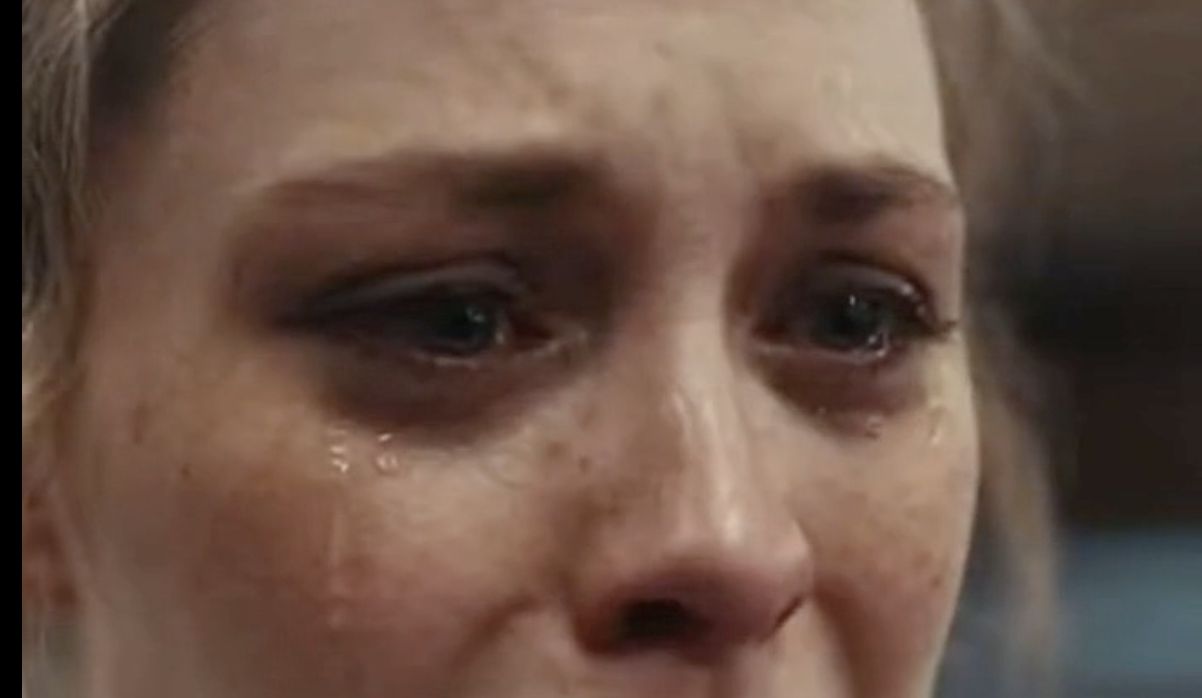
Tears streamed down Emma’s face. “I… I built it in my apartment. With spare parts. I didn’t think—”
“That’s exactly the kind of innovative thinking we need.” Dr. Chen smiled. “Can you start in two weeks?”
Emma looked at her manager, who stood behind the counter in shock.
She untied her apron with shaking hands. “I can start tomorrow.”
Dr. Chen laughed. “Two weeks is fine. You’ll need time to prepare for the move.”
She handed Emma a folder. “Preliminary contract. Review it with a lawyer if you’d like. We’ll cover relocation expenses.”
Emma took the folder, barely able to see through her tears.
The rude customer had gone pale. He cleared his throat. “I… I didn’t mean—”
Emma turned to him, wiping her eyes. “You meant every word. You looked at my clothes, my appearance, and decided I was worthless.”
She looked around the diner. At all the customers who’d whispered about her. Complained about her. Treated her like she was beneath them.
“I worked here to survive while building something that might help humanity explore the universe. You saw a shabby waitress. NASA saw an engineer.”
She turned back to Dr. Chen. “Thank you. I accept the position.”
Dr. Chen shook her hand. “Welcome to NASA, Miss Rodriguez. The shuttle launches won’t wait, but I think you’re ready.”
They left together, leaving the diner in stunned silence.
Emma’s manager stood frozen, the rude customer sat with his head in his hands, and the other waitresses stared at the door.
The shabby waitress they’d mocked was going to help NASA reach the stars.
Two weeks later, Emma walked into NASA’s facility in a crisp professional outfit, surrounded by some of the brightest minds in aerospace engineering.
She still remembered every insult. Every cruel comment. Every moment she’d cried in the diner’s back room.
But she also remembered that she’d never stopped building. Never stopped learning. Never stopped believing she had something valuable to offer.
The people who judged her by her clothes never saw her mind.
But NASA did.
And that made all the difference.